CD Projekt Red is the busiest it’s ever been right now. The acclaimed Polish developer has many publicly-known projects on its plate, ranging fromCyberpunk 2077’s Phantom Liberty DLC to a new original IP. A multiplayerWitchertitle and remake of the originalWitcherare both in development under other studios, andThe Witcher 4is being worked on as the start of a newWitchertrilogy. It’s a wonder that the company is able to spare resources for a new IP now, especially with so much riding onThe Witcher 4.
Hectic times are ahead for fans of CDPR’s work, but at least there’s a lot to look forward to. The secondWitchergame trilogy should occupy fans for years, and many are curious about whereThe Witcher 4will take the aging multimedia franchise. Thanks toThe Witcher 3: Wild Hunt’s success in 2015,The Witcherand CD Projekt Red itselfboth experienced massive boosts in popularity that have yet to subside. However, there is a wider context that contributed toThe Witcher 3taking off thatThe Witcher 4may not benefit from.

RELATED:The Witcher 4 vs. Cyberpunk 2077’s Sequel - Which Will Release First?
The Witcher 3 Was Unrivaled In Open-World Fantasy Excellence
In 2015, many publishers and developers were still busy transitioning out of the seventh console generation, presenting an opening for a massive title to hit the industry unopposed. EnterThe Witcher 3: Wild Hunt, released in May 2015 for PC, PS4, and Xbox One. Despite a host of technical issues,The Witcher 3drew players with its Slavic mythologyand fairy tale-inspired setting, as well as excellent writing and a flexible quest structure. Even people new to the franchise could jump intoWitcher 3and immerse themselves.The Witcher 3’s qualities propelled it to profound success, becoming one of the best-selling video games to date.
Its immediate competition was blown out of the water, leavingThe Witcher 3unchallenged for a while. Competitors from a few months prior,Dragon Age: InquisitionandMiddle-Earth: Shadow of Mordor, failed to please fantasy RPG audiences to the same degree thatThe Witcher 3did, and late 2015 open world games likeFallout 4couldn’t matchThe Witcher’s special qualities.The Witcher 3’s massive open world, stunning narrative, interesting combat preparation, and subsequent willingness to improve its content and market itself created such a runaway success that CD Projekt Red may struggle to replicate it, especially now.
The Witcher 4 Must Contend With Stronger Competitors
Things have changed in the game industry sinceThe Witcher 3’s heyday. It’s easy to be Game of the Year when the competition is weaker, but direct competition withThe Witcherhas only been growing. In the realm of epic fantasy open world games alone,The Witcher 4will be compared toElden Ring,The Legend of Zelda: Breath of the Wild, andBotW’s sequelTears of the Kingdom. These games may focus more on gameplay thanThe Witcherdid, but they nonetheless mark what is possible inThe Witcher’s genre space now.
That’s not even going into whatever Ubisoft, Rockstar Games, and CDPR itself release beforeThe Witcher 4. Standards for AAA game narrative have also evolved thanks to massive titles likeThe Last of Us Part 2and both modernGod of Wargames, and even the novel preparation aspects ofThe Witcher 3pale next to theMonster HunterandHorizonfranchises.The Witcher 4must rely on its writingand worldbuilding like never before, as well as innovate on its other aspects. More great games are coming out all the time, andThe Witcher 4has a monumental task ahead of it if it hopes to surpass its growing competition.
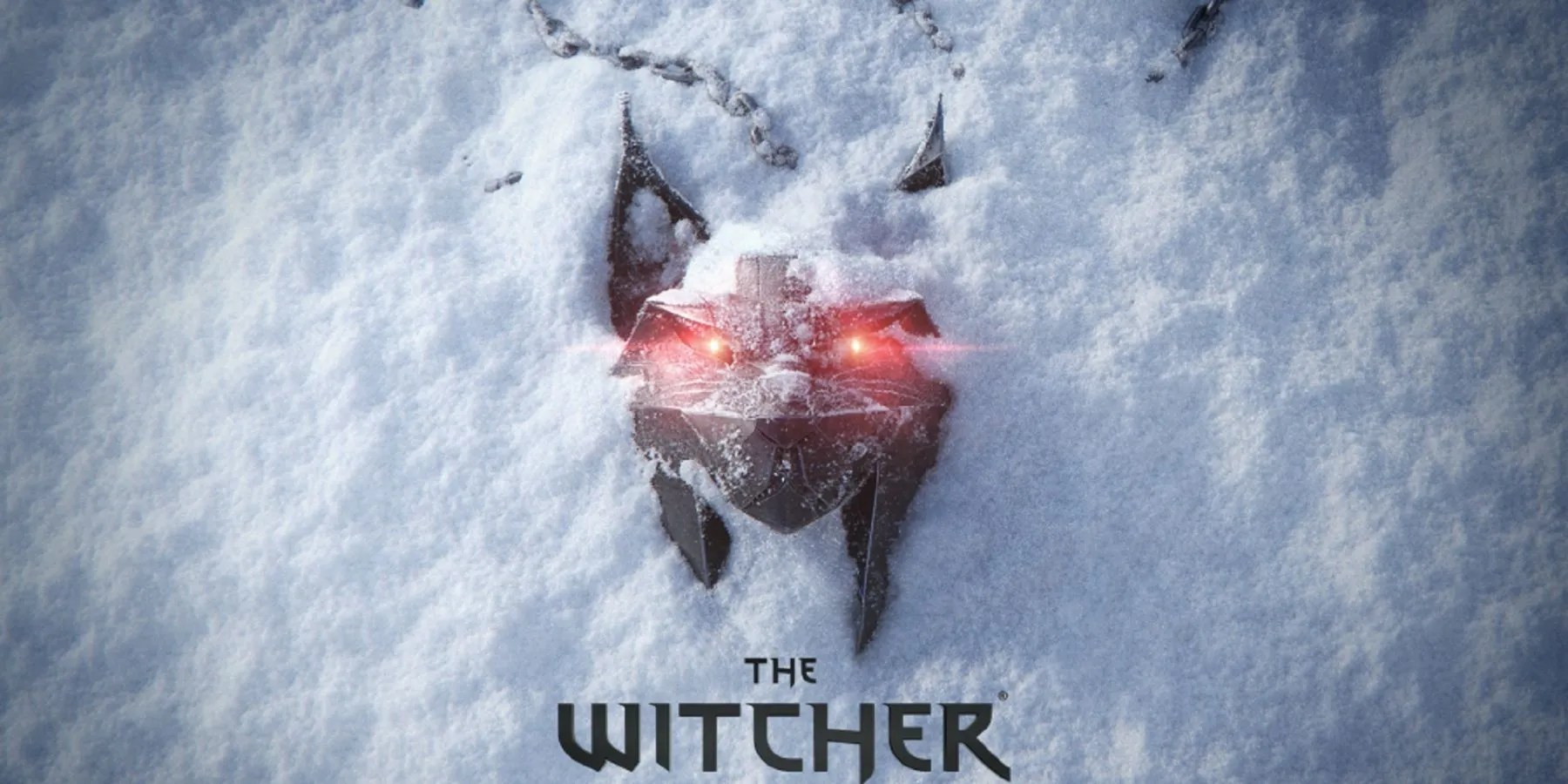
A newWitchergame is in development.
MORE:Best Action RPGs To Play If You Like The Witcher 3
