In an issue of Lucasfilm’sStar Wars Insidermagazine, the studio defined “canon” — that is, what’s gospel in theStar Warsuniverse — as the stories told within the screenplays, the films, the radio dramas, and the novelizations. The magazine notes:
“These works spin out ofGeorge Lucas' original stories, the rest are written by other writers. We’ve read everything, and much of it is taken into account in the overall continuity. The entire catalog of published works comprises a vast history — with many off-shoots, variations, and tangents — like any other well-developed mythology.”
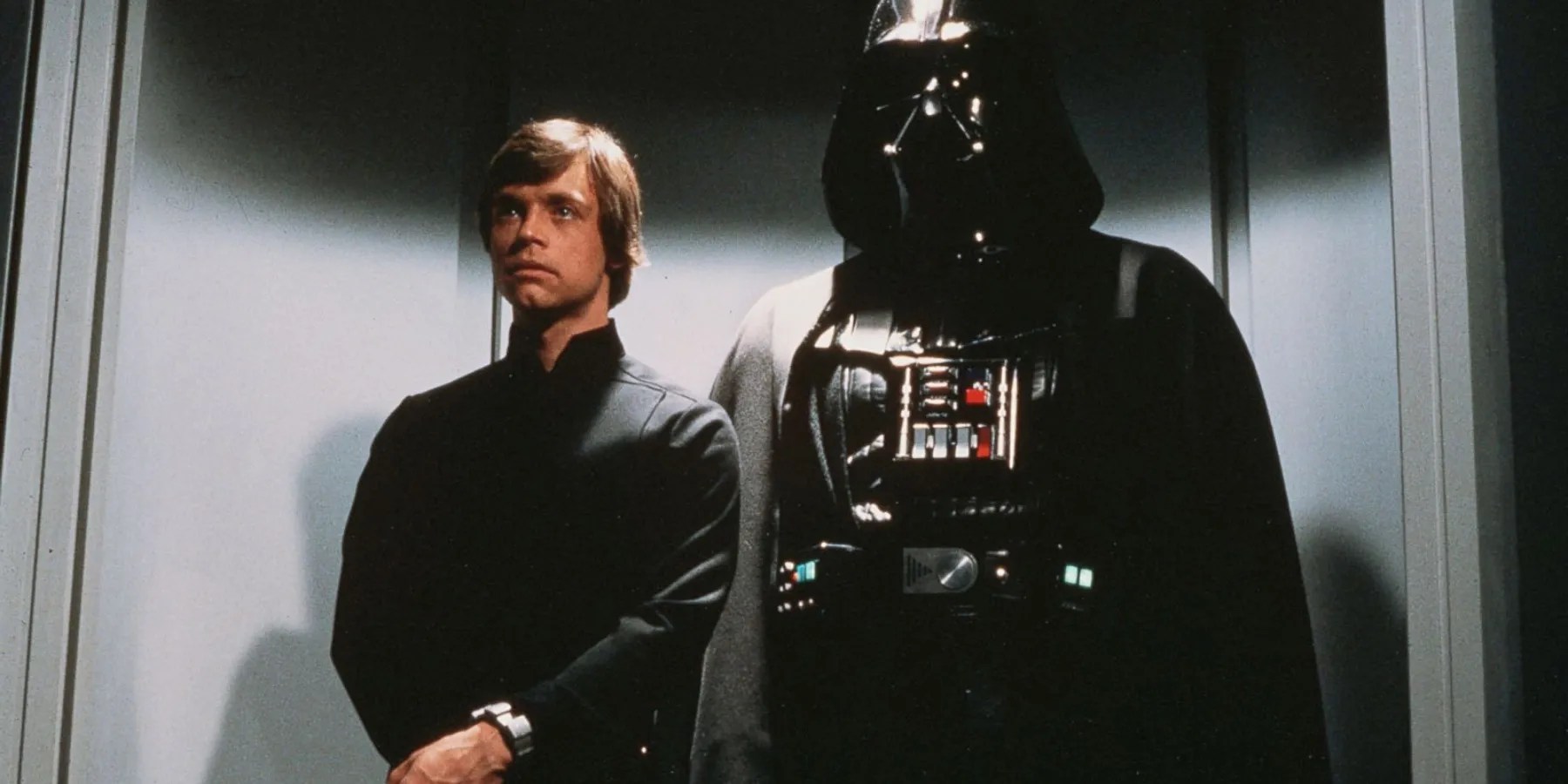
But after The Walt Disney Company acquired Lucasfilm in 2012, that question of “What’s canon?” became more complicated. In order to make room for new films and shows — namely, the sequel series in the Skywalker Saga,Episodes VII,VIII, andIX— Disney soft-rebooted theStar WarsCanon, picking and choosing what stories would be part of the official timeline going forward. Many stories were dropped from the officially sanctioned continuity, becoming what Disney and Lucasfilm have dubbedStar WarsLegends. So, what’s the difference betweenStar WarsLegends and Canon? Here’s what to know about the canonicalStar Warstimeline as it stands today.
RELATED:The Gray Jedi In Star Wars, Explained
What’s the Difference Between Star Wars Legends And Canon?
SinceStar Wars: A New Hopehit screens in 1977 and became a worldwide phenomenon, the galaxy that George Lucas dreamed up has grown. From 1983 untilThe Phantom Menace’s release in 1999, the original trilogy stood out as the most accessible entry point forStar Warsfans. The prequel trilogy,Episodes I,II, andIII, expanded the story viewers knew. It filled in backstory,served up new characters, and built out worlds both familiar and uncharted.
The prequels garnered a whole new generation of fans. Since then, theStar Warscontent machine has kept turning, in a much more “mainstream” way that wasn’t just contained to novelizations and video games. A little over a decade afterPhantom Menace’s release,Disney reshaped Lucasfilm’s approach, eager to milk the thala-siren that isStar Warsfor all it’s worth (which is, reportedly, upwards of $50 billion).

In 2014, Disney more publicly changed theStar Warsuniverse, splitting the decades of stories into Canon vs. Legends content. Eager to usher in itsown era ofStar Warsmovies (and more), Disney wanted to reorder the timeline, planning the projects out with intention, not unlike the Marvel Cinematic Universe (MCU). The only problem? Understandably, fans were very attached to some of the stories Disney wanted to leave on the cutting room floor. To balance fans’ intense love of these stories with their storytelling goals, Disney and Lucasfilm created the “Legends” classification for these popular yet unofficial stories.
Was Star Wars Legends Once Canon?
Yes,Star WarsLegends was once canon — but it’s complicated. For the most part,Star Warsbooks, comics, and video games published prior to September 2014 are Legends. Before 2014, fans would generally consider all the books, comics, and video games aboutStar Wars(that weren’t direct adaptations of the films)Expanded Universe (EU) stories. (Although that term carries a new meaning now, too.)
As is the case in many fandoms, there werediffering opinionson EU projects. Some fans even dubbed the stories fan fiction, even though they were officially licensed. Put simply, had what’s now consideredStar WarsLegends (that is, former Expanded Universe content) not been canon, Disney and Lucasfilm wouldn’t have had to declare what’s canon and what’s non-canonical.

At the same time, it isn’t incorrect to say that Legends or EUStar Warswasn’t part of George Lucas’ canon. Before the soft reboot of Star Wars by Disney and the Lucasfilm Story Group, theStar Warscanon was divided into a hierarchy, with films being at the top, and followed by shows (likeStar Wars: The Clone Wars); books, games, and other projects that aligned with the continuity of the films; so-called “secondary canon,” likethe infamousStar Wars Holiday Special; and purely non-canonical “what if” stories.
Is Star Wars Legends An Alternate Universe?
While Disney made all the continuity contained within Legends stories null,Star WarsLegends isn’t officially considered an alternate universe. In the MCU, the main version of reality viewers follow isset on Earth-616, though there are many other branching realities that compose the Marvel multiverse. Disney’s approach toStar Warsisn’t quite the same — at least not on paper. Yes, Legends content does feel like alternate timeline or universe approaches to how stories unfold, but the classification feels more akin to the way we create variations on mythology. The stories remain popular and widely read, even if they aren’t considered the ultimate source of truth.
What Is No Longer Canon In Star Wars?
Published in September 2014, theStar WarsnovelA New Dawnhas the distinct honor of being the first Canon novel to hit shelves. So, aside from post-September 2014 books, what else is consideredStar WarsCanon? All the films —Episodes I–IX,Rogue One, andSolo— and more recent television shows, likeThe Mandalorian,The Bad Batch,The Book of Boba Fett,Obi-Wan Kenobi, andAndor.
Other shows, likeStar Wars: The Clone WarsandStar Wars Rebelsare also Canon. And, yes, certain comics and manga, like theDarth Vader(2020) series by Marvel, are Canon, as are video games likeStar Wars Squadrons,Jedi: Fallen Order, andVader Immortal. Set centuries before the events ofThe Phantom Menace,The High Republicnovels and comics are also Canon.
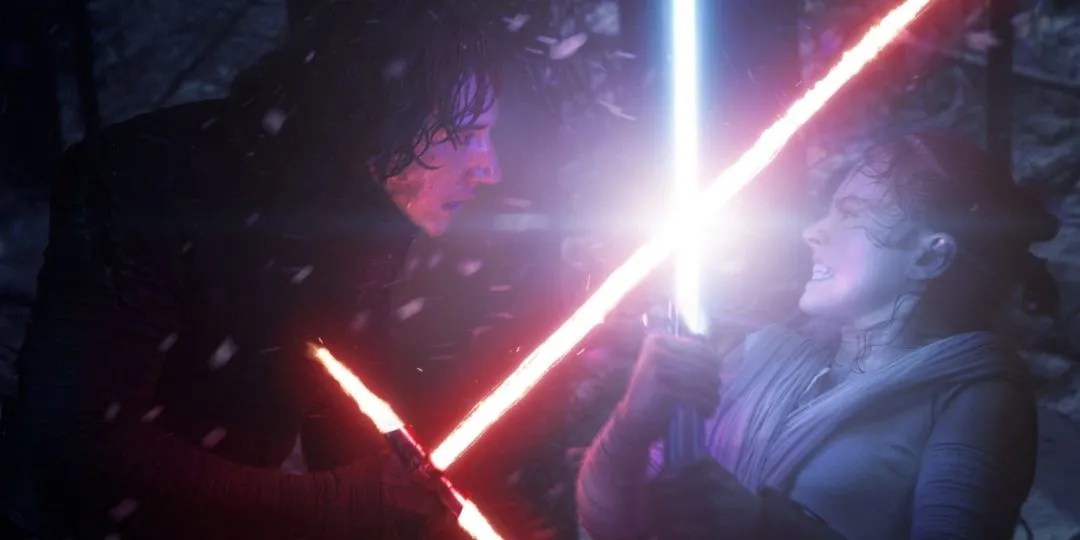
So, what didn’t make the cut? Generally speaking,Star Warsbooks, comics, and video games released before September 2014 are Legends content. This includes many popular stories, like Dark Horse’sThe Old Republiccomic series as well as Timothy Zahn’sThrawntrilogy from the 1990s, and even best-selling games likeRogue Squadronand (the original)Knights of the Old Republic. Other projects, like theStar Wars: Visionsanime anthology, aren’t necessarily labeled Legends or Canon. They fall in an in-between space, not unlike Marvel’s “What If…?” stories.
When browsing fan pages, it’s possible the term “Expanded Universe” (EU) will still crop up. Prior to the official 2014 Canon vs. Legends split, fans used the term EU to encompass all stories that existed outside the films and shows. There wasno official canon at the time, at least not in the same, more regimented way it exists today. That said, some fans may use Expanded Universe to describe both stories in the Canon and Legends. Like “Gray Jedi,” it isn’t a phrase the Lucasfilm Story Group uses.
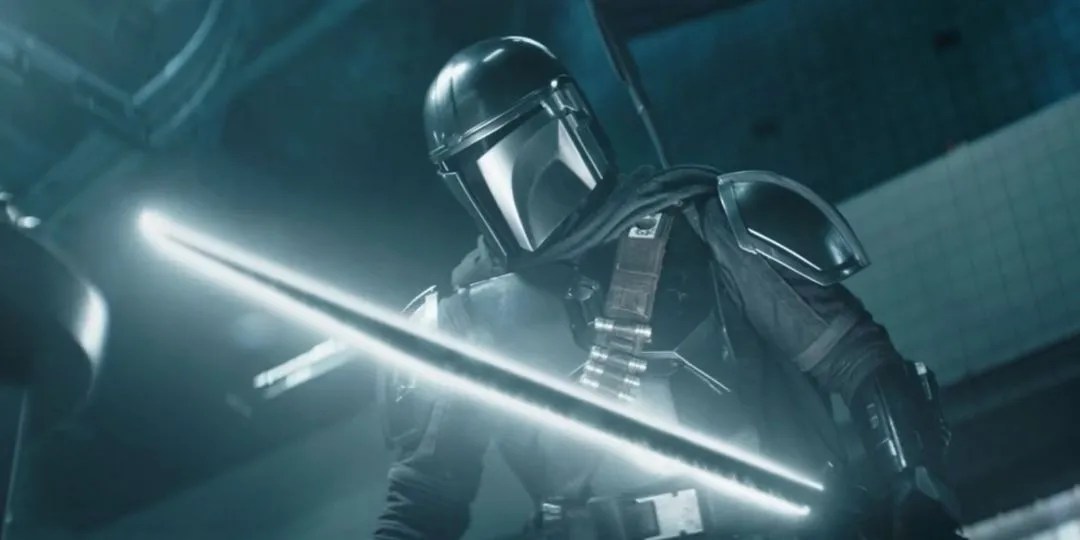
Star Wars: Legends vs. Canon Timelines, Explained
Considering all the nuances of Legends vs. Canon stories, the complete CanonStar Warstimeline is actually pretty straightforward. According to Disney and the Lucasfilm Story Group, the Canon timeline is composed of several distinct periods: the High Republic; the Fall of the Jedi; the Reign of the Empire; the Age of Rebellion; the New Republic; and the Rise of the First Order.What comes before the High Republic, and after the First Order’s downfall inEpisode IX, hasn’t been outlined inStar WarsCanon — yet. Yes, it’s both hugely criticized and readily accepted by fans, but, in the very least, the Canon vs. Legends split has brought order to the galaxy.
