Among the many other high profile projects in development at Square Enix, there is one particular game that’s going under the radar. As ongoing work continues onFinal Fantasy 16,Final Fantasy 7 Remake’s second chapter,Dragon Quest 12, among other things, one exclusive is bringing back a long-dormant subseries in a big way.Triangle Strategy, formerly known as the vastly differentProject Triangle Strategy, is a Nintendo Switch exclusive strategy RPG in development that’s aesthetically similar to the “HD-2D"OctopathTraveler. Although marketing for the game had died down quite a bit until recently,Triangle Strategyhas a lot going for it.
Of course, there’s likely a quietly sustained excitement for the game, as the game’s existence alone is capable of mustering that much from fans. A seemingly spiritual successor to theFinal FantasyTacticsgames,Triangle Strategyis aFinal Fantasy-esque strategy game designed with the same widely-praised aesthetic and visual design ofOctopath Traveler. Pair that with a yearning from fans looking to play a newFinal Fantasy Tacticsgame, andTriangle Strategyseems like the next best thing.Triangle Strategylooks like proper modernization of theTacticssubseries, alongside some of the original narrative and design concepts coming as well.

RELATED:Final Fantasy 9 Remake, Tactics Remaster, and More Mentioned in Nvidia GeForce Now Leak
Final Fantasy Tactics Is A Sorely Missed Spin-Off Series
While it’s obviously never been nearly on the same level as the mainlineFinal Fantasyseries,theFinal Fantasy Tacticssubseries did gain significant popularityin the late 90s/early 2000s.Final Fantasy Tactics(1997) andFinal Fantasy Tactics Advance(2003) helped reshape theFinal Fantasyfranchise into a more hardcore strategy framework, keeping the turn-based foundation but expanding into a grid-based arena battle system. Rather than a party of three or four, players control battalions of units based on all the iconic classes in mainlineFinal FantasyJRPGs, all in service to conquering the opponents group or army and securing the battlefield.
It’s allveryFire Emblem-esque, even thoughFinal Fantasy Tacticswas originally heavily inspired by the 1995 strategy gameTactics Ogre: Let Us Cling Together, initially published by Quest Corporation. Shortly afterTactics Ogrereleased, many of the original developers of the game moved to work with Square (before the Square-Enix merger), which incidentally lead to the marriage of both worlds withTactics. Since then, there’s been a total of fourTacticsgames in the subseries, with the last being a discontinued mobile game released back in 2013.Final Fantasy Tacticsis a sorely missed spin-off series, andTriangle Strategycould fill a similar void next year.
RELATED:Project Triangle Strategy Looks Like It’s Following Final Fantasy Tactics' Footsteps
Triangle Strategy Is Similar To Tactics, But Still Unique
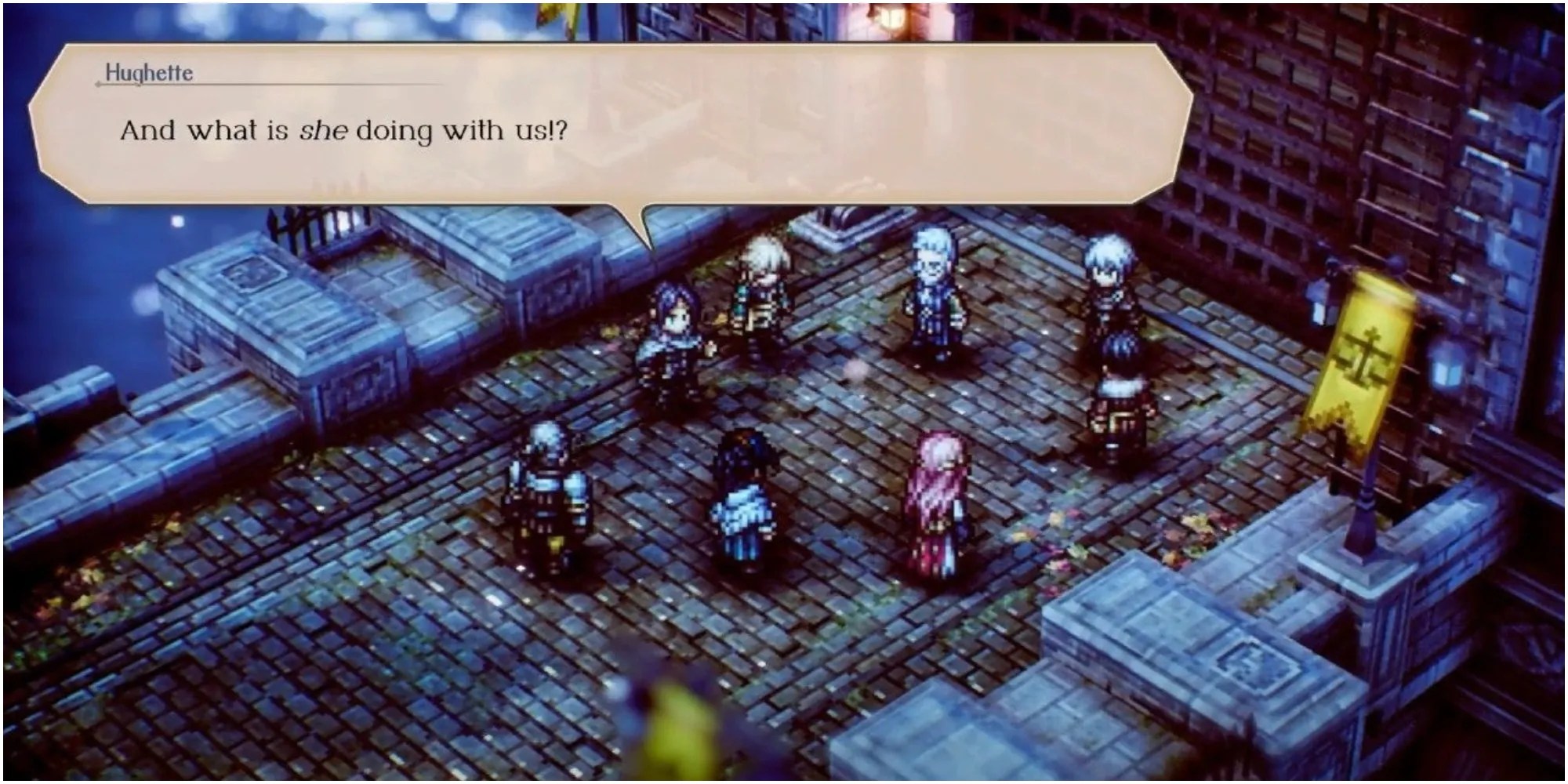
Based on the narrative and visual design alone, it’s pretty clear thatTriangle Strategyis harkening back to theTacticsgames of old, albeit adding its own unique flair as well. For one thing,the aesthetic design elements ofOctopath Travelercarrying over toTriangle Strategymakes a ton of sense, appealing to nostalgia in a very modern and stylistic way that was praised by fans and critics. Interestingly, the character art similarly harkens back to classicFinal Fantasydesigns as well, further emphasizing the game’s retro appeal. Even if the narrative is moreTactics OgrethanFinal Fantasy Tactics, the differences between the two are not that separate from one another.
Gameplay is where the obvious correlation lies, becauseTriangle Strategyplays very similarly toFinal Fantasy Tactics. Players battle on a variety of terrain, with varying degrees of verticality and advantage, all while considering each unit’s individual strengths and weaknesses. However, there are plenty of diversions from this core foundation thatTriangle Strategyoffers, like unique character abilities, team attacks and flanking, along with more diverse and unusual landscapes. The biggest difference isTriangle Strategy’s emphasis on a more complex story that players can influence more directly, implementing key moral choices and decisions for players to consider.
Triangle Strategycertainly scratches a very similar itch, though in a pretty unique way that is still experienced very differently compared to aTacticsgame. Emphasis of narrative is the key difference here, as there’s a lot more exposition and conflict background laid out beforehand, at least based on theProject Triangle Strategydemo. Plus, with players being able to make decisions that influence the narrative directly, subsequent playthroughs could be very different both narratively and gameplay-wise. However, there is stillenough of theTacticsDNA present inTriangle Strategythat fans familiar withTacticswill come to love when the game releases next year.
